How to Leverage Peak Performance Routines for Consistent Creative Output
May 07, 2026


Rising expectations during business growth often stretch your energy and focus. Balancing meetings, expanding teams, and meeting ambitious revenue targets can leave you feeling drained as deadlines approach. Sustaining your energy through these busy times plays a crucial role in your ongoing success. Rather than turning to extra coffee or sacrificing sleep, you can turn to effective habits that consistently support your well-being. This guide covers straightforward ways to maintain steady performance by refining daily routines, making nourishing food choices, incorporating short breaks, and selecting technology that works in your favor. With these practical tips, you can keep your stamina strong and your productivity high.
Real gains come from aligning your habits with natural rhythms and using tools to track your progress. When you tune your schedule to your energy peaks, feed your body wisely, and seize small recovery moments, you’ll navigate challenges with clarity. Let’s explore how to keep your output steady as you expand operations.
Energy comes from both internal and external inputs. Internally, sleep quality, nutrition, and mental resilience shape your alertness. Externally, light exposure, office layout, and social interactions further influence your focus. When you understand these sources, you can adjust your daily routines to maintain momentum.
Start by identifying your personal peak hours. Some people handle analytical tasks best in the morning, while creativity peaks midday for others. Track your alertness for one week using a quick journal or a simple spreadsheet. Note when you feel sharp or sluggish. This data helps you schedule high-impact tasks at prime times and reserve low-energy periods for routine chores.
Create a consistent framework around key activities to stabilize your energy. Routines anchor your day and reduce decision fatigue. Below are essential habits to include:
Pair these habits with brief rituals that mark transitions. For example, play a distinct song or brew tea to signal shifting from deep work to lighter tasks. This cue-and-response pattern trains your mind to switch gears quickly, keeping your energy pockets intact throughout the day.
The quality of your fuel impacts your productivity more than overall calorie count. Replace processed snacks with balanced options that combine protein, fiber, and healthy fats. For example, Greek yogurt topped with nuts or a salad with chickpeas and avocado slows sugar spikes and prevents mid-afternoon crashes.
Staying hydrated also sharpens your focus. Aim for at least eight glasses of water daily. You can add slices of cucumber or lemon for flavor. If you prefer tea, choose green or herbal blends over sugary coffee shop lattes. These drinks contribute to fluid intake without sudden caffeine spikes and dips.
Avoid large lunches heavy in carbs. They trigger a post-meal slump as blood shifts to digestion. Instead, eat smaller portions more often—four to five meals spaced evenly. Quick protein shakes or a handful of trail mix help bridge gaps between meetings and keep energy levels stable.
Short breaks recharge your neural circuits. Micro-rests—lasting five to ten minutes—provide recovery without disrupting your momentum. During these pauses, close your eyes, stretch your neck and shoulders, or step outside for fresh air. This brief shift resets your concentration and boosts alertness when you return to work.
Set reminders on your smartwatch or phone to stand every hour. Use the Pomodoro technique with a twist: work intensely for 40 minutes, then rest for eight. Adjust intervals to match your rhythm. You’ll prevent burnout and maintain a higher average output than marathon sessions that ignore breaks.
In group settings, introduce “silent sprints.” Gather your team in a room, set a timer for 20 minutes, and work side by side without interruptions. Then take a collective five-minute break. Shared focus interspersed with quick resets encourages collaboration and maintains group energy.
Tracking your energy provides insights to improve your routines. The right apps and devices help you gather data and stay accountable. Here are top options:
Review these tools regularly. Once a week, examine your RescueTime dashboard to identify low-productivity zones. Adjust your schedule or eliminate time drains accordingly. When you notice recurring energy dips, try a quick mindfulness exercise from Headspace before major calls or presentations.
Align tasks with your natural rhythms, choose nourishing meals, take micro-rests, and use effective technology to maintain high-quality work. These practices help you grow sustainably while protecting your well-being.

Crafting episodes that capture interest begins with setting clear objectives. Identify your main theme and select topics that inspire curiosity and excitement. Pose...
May 27, 2026

High-growth teams handle a steady flow of data, choices, and tight schedules as they move forward. With reliable tools that simplify decision-making, team members can...
May 09, 2026

Rapid progress can make the difference between a venture moving forward or falling behind. Being able to change course quickly opens up opportunities to enter new...
Jun 15, 2026

Creative teams achieve more when they set specific goals that translate ideas into concrete steps. Many founders face challenges when their objectives lack clarity or...
Jun 10, 2026
Understanding who is most interested in your specialized service gives every campaign a stronger foundation. Begin by identifying the qualities that set your ideal...
Apr 29, 2026

Countless repetitive tasks fill each day for startups, consuming valuable energy and time. When teams handle these ongoing duties manually, they have less opportunity to...
Mar 31, 2026

Countless hours often disappear into repetitive chores that stifle creativity and slow progress. Many small teams find themselves dedicating nearly 40% of their workweek...
May 02, 2026

Writing in a journal gives leaders an often overlooked advantage when guiding teams through periods of rapid expansion. By recording daily thoughts and experiences, you...
Apr 03, 2026

Leading a team that spans multiple time zones requires clear communication and steady coordination. Establishing shared goals helps each member understand where their...
Apr 07, 2026

Creating excitement and maintaining engagement throughout your event grows easier when attendees become active participants. Encouraging people to share their own...
Jun 06, 2026
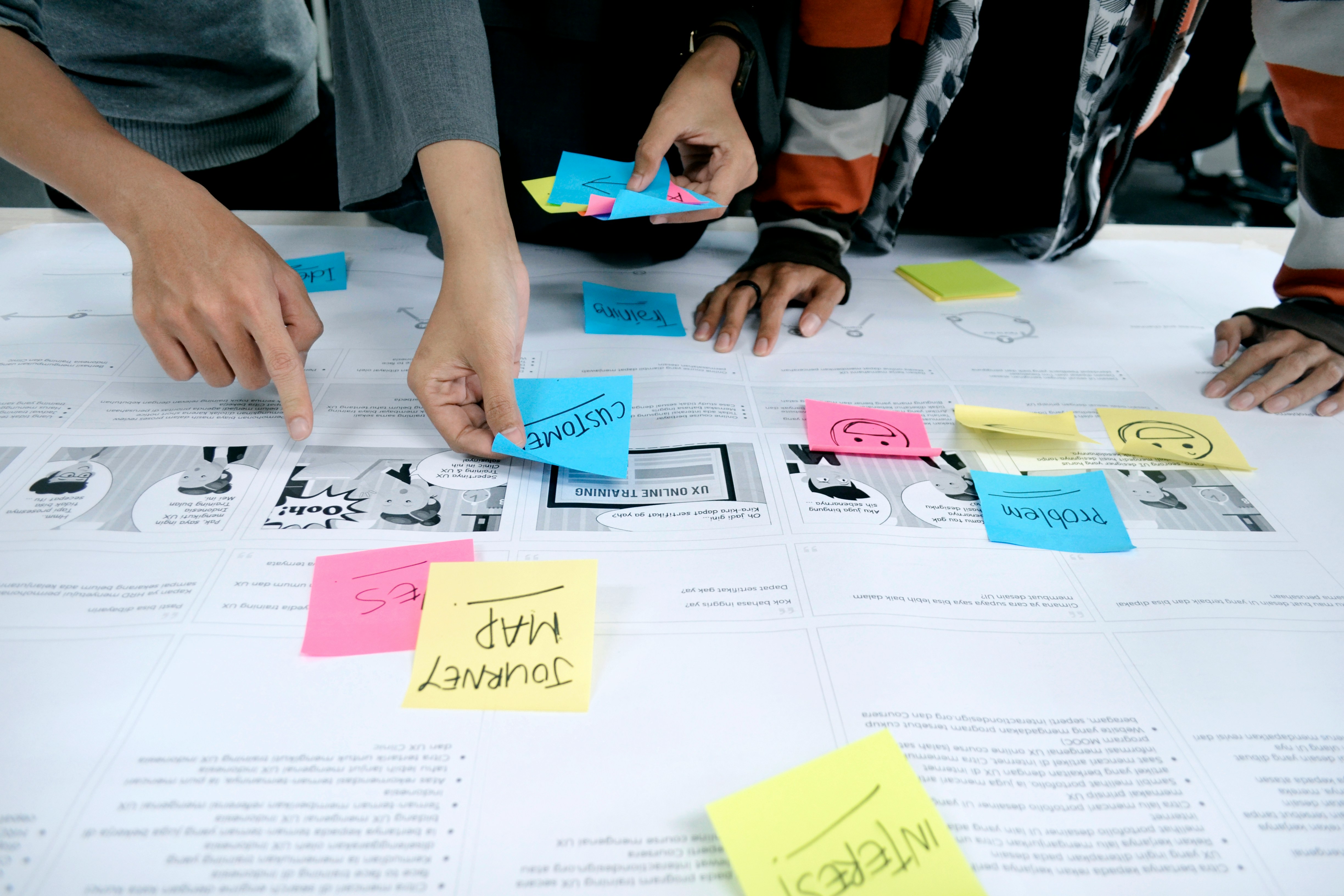
Understanding each stage that supporters experience, from the moment they discover your campaign to when they make a pledge, reveals valuable insights about their...
Jun 02, 2026

Launching your business in new markets brings a unique set of challenges, especially when it comes to understanding local rules and compliance requirements. You must...
Mar 13, 2026

Building a software service using only your own resources takes determination and inventive thinking. Each dollar matters, so you create efficient processes that support...
Jun 24, 2026

Expanding a boutique consulting firm internationally brings both excitement and challenges. Leaders seek consistent growth while dealing with new regulations, diverse...
Jun 28, 2026