

8 Game-Changing Automation Tools for Small Teams Scaling Fast
Growing a small team often means balancing enthusiasm for new opportunities with the hurdles of increased responsibility. Managing client requests, meeting deadlines,...
Jul 21, 2026


Discover how event marketing can bring fresh excitement to your next product launch by going beyond familiar tactics. This article uncovers five unique approaches that boost curiosity and inspire more people to attend your event. Learn how to create memorable experiences that not only generate enthusiasm but also help you connect with customers on a deeper level. Each idea includes practical steps, real-world examples, and useful templates designed to help your product stand out. Whether you want to build anticipation or make a lasting impression, these creative event marketing methods offer new ways to make your launch unforgettable.
Begin by securing a short-term permit from local authorities or property managers. Sketch a floor plan to place demo tables, interactive walls, and a checkout counter. Arrange for staff to rotate every two hours to maintain energy. Use QR codes on signage that link to online tutorials or a sign-up form, capturing visitor details.
After the event, send a follow-up email within 24 hours. Thank attendees and share a limited-time discount code. Track redemption rates to gauge interest and plan your next pop-up in a different neighborhood.
Reach out with a personalized message that mentions their recent content and explains why your product resonates with their style. Share a brief one-page overview of your launch concept. Offer them free product samples to test and feature during the live session.
On the day, provide a countdown timer graphic and a branded overlay for their stream. Encourage the influencer to answer viewer questions, demonstrating product features in real time. After the live event, post a highlight reel on your channels to boost reach.
Bring products to life with a simple VR headset or AR app. For example, a home-goods brand can let customers place virtual furniture in their living rooms via a mobile app. This adds interactivity and a shareable moment.
Start with a platform like *Spark AR Studio* or a low-code VR builder. Create 3D models of your product and optimize them for mobile performance. Add hotspots within the experience that explain key features when tapped.
Promote the demo through an email campaign that includes a QR code linking directly to the AR experience. Include brief how-to steps: download app, scan QR code, rotate device to view product from all angles.
During the launch week, set up demo stations at local meetups or industry conferences. Provide sanitized headsets and short instructions printed on branded cards. After attendees try the demo, encourage them to post screenshots with a custom hashtag to enter a giveaway.
Promote each stop with local microposts on community boards and private groups. Invite a local food truck or musician to co-host at each location, adding an entertainment draw. Encourage RSVPs through a simple landing page where visitors pick a time slot.
At each stop, give attendees a 5-minute guided tour of features, followed by 15 minutes of free exploration. Close with a limited-day offer to drive immediate purchases. Track foot traffic by scanning QR codes at entry points.
Host small-group gatherings centered around a shared interest. For a fitness tech launch, invite local gym owners and health bloggers. Serve protein shakes branded with your logo and display product prototypes on tasting tables.
Send personal invitations via direct messages or hand-written notes to key community members. Include a teaser: “Discover our newest gadget that tracks workout form in real time.” Add a bulletproof RSVP link embedded in the invite.
At the event, assign a facilitator to introduce guests and prompt brief product demos in rotation. Use name tags that double as icebreakers by adding a fun prompt like “Tell someone your biggest workout win.”
After the mixer, send a summary email with photos, attendee quotes, and a link to order. Encourage guests to share feedback on a dedicated online group. Use insights to refine your next mixer theme or select new guests.
Record these data points in a simple spreadsheet or event-management tool. Review them within 48 hours after each event. Identify one strong performer and one area for improvement, then adjust your next event accordingly.
Select one approach, follow the steps, and see your audience respond. Each tactic helps showcase innovations, build connections, and boost sales efficiently.
Growing a small team often means balancing enthusiasm for new opportunities with the hurdles of increased responsibility. Managing client requests, meeting deadlines,...
Jul 21, 2026

Creating a vibrant online community for a creative software product involves much more than just opening a chat room. Begin by outlining a clear mission that resonates...
Jul 10, 2026

Weekly check-ins help you stay focused on your goals and catch small issues before they become bigger problems. By reviewing your progress each week, you notice...
Jul 24, 2026

Efficient workflows allow people to focus more on important decisions instead of getting bogged down by repetitive tasks. By automating routine activities, teams...
Aug 19, 2026

Creative teams achieve more when they set specific goals that translate ideas into concrete steps. Many founders face challenges when their objectives lack clarity or...
Jun 10, 2026

Real customers’ stories and photos give your brand a sense of authenticity that words alone can’t provide. Sharing genuine testimonials and everyday experiences helps...
Aug 12, 2026

Managing scattered notes, meeting summaries, and project outlines across several platforms can slow down a startup’s progress. Bringing all this information together in...
Jun 21, 2026

Understanding each stage that supporters experience, from the moment they discover your campaign to when they make a pledge, reveals valuable insights about their...
Jun 02, 2026

Building a software service using only your own resources takes determination and inventive thinking. Each dollar matters, so you create efficient processes that support...
Jun 24, 2026

Boutique fitness studios thrive on unique personalities and strong neighborhood connections, but their communications can become scattered across emails, social media,...
Aug 16, 2026
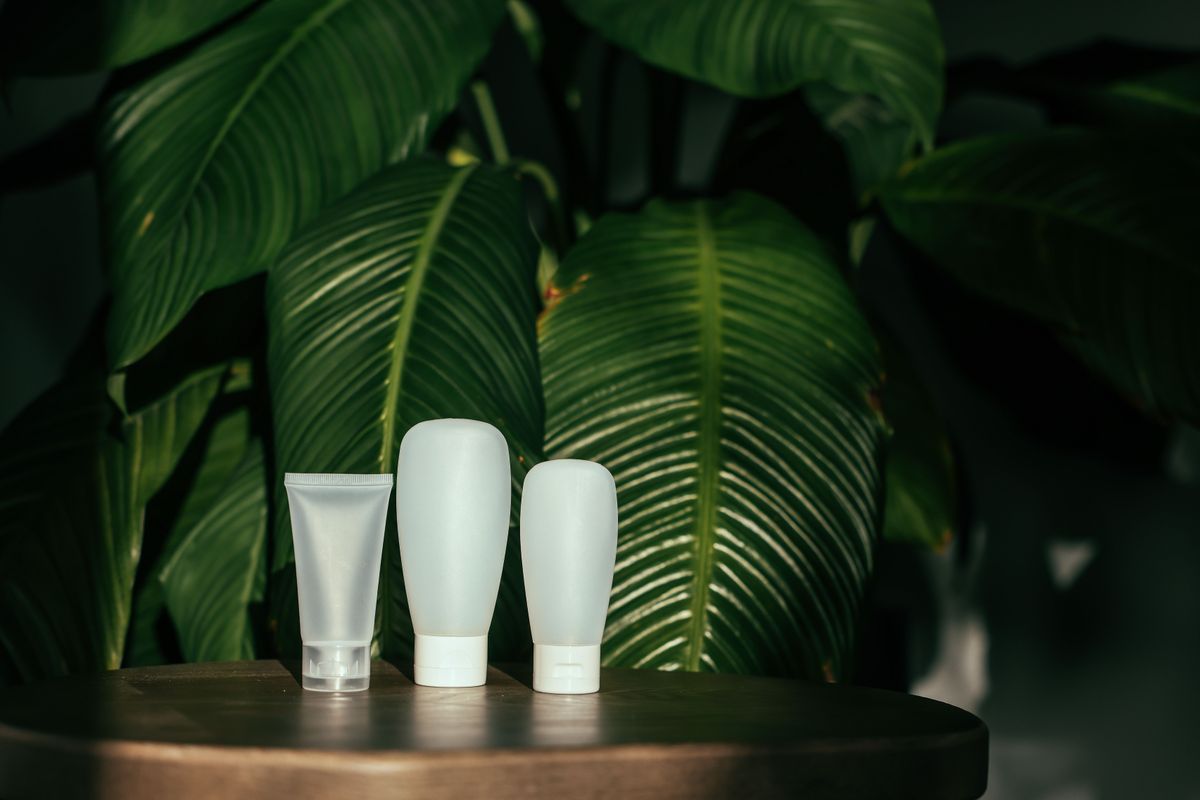
Expanding eco-friendly products internationally calls for thoughtful planning and practical action. Set clear goals from the beginning and remain open to adapting as...
Aug 05, 2026

Creating an effective landing page plays a crucial role in the success of a coaching offer. A well-defined goal, direct messaging, and a layout that smoothly leads...
Jul 14, 2026

Creating a global culture starts with defining a clear and meaningful purpose. Teams that unite around a common mission build stronger connections and accomplish their...
May 23, 2026

Setting clear goals lays the foundation for successful communication across platforms like social media, email, paid ads, and your website. Decide on the key message you...
Apr 25, 2026