
The Best Ways to Integrate User-Generated Content Into Event Marketing Campaigns
Jun 06, 2026


Building a close community around wellness offerings involves much more than posting uplifting messages. A thoughtful approach shapes every aspect of interaction, from sparking real conversations to making sure members feel valued and want to return. When you understand what draws people in and inspires them to participate, you can choose the right topics and communication tools to suit their needs. This guide walks you through practical steps that blend fresh concepts with techniques that have worked before, making it easier to create a welcoming space where everyone feels included and their voices matter.
First, find out what your members care about. Survey existing contacts or invite a small focus group to share their biggest challenges. Collect data on age, interests and how much time they spend online. A quick poll that gets 100 responses can reveal trends you might miss when you assume everyone needs the same thing.
Next, chart their journey from discovery to active participation. Identify touchpoints where new people might drop off—like an unclear welcome process or scattered resources. Pinpointing these spots allows you to fix gaps and guide members smoothly toward posting, replying or joining live events.
These tactics combine structure with spontaneity. You guide members while giving them space to shape the conversation. The clearer your schedule and rewards are, the more people will participate and stay engaged.
Create content that answers real questions. Use your group’s search feature to see which keywords appear frequently. Then develop short tutorials or infographics around those topics. For example, a 2-minute video on quick desk stretches can meet a need and encourage shares.
Mix formats to keep energy high. Pair text posts with short polls, image carousels and 60-second clips. A study shows that communities using at least three content types see 25% more engagement. Keep each piece concise—no more than 200 words or 90 seconds of video.
Select tools that match your members’ habits. If most check *Facebook* daily, create a private group there. If they work in a tool like *Slack*, set up channels for different themes. Match your platform choice with where your community already interacts.
Add features that encourage chat. Enable reactions so people can tap emojis instead of typing responses. Turn on live polls for quick feedback. These small features motivate passive readers to participate at least once.
Use simple dashboards—like built-in group analytics or a spreadsheet—to identify dips and spikes. When activity slows down, launch a micro-campaign such as a “Two-Day Photo Share” to jumpstart engagement. Review the results, adjust your plan and run your next effort better informed.
Build an active wellness community by understanding members' needs, offering varied content, and monitoring engagement. Begin small, adapt quickly, and encourage genuine participation to grow your community.

Real customers’ stories and photos give your brand a sense of authenticity that words alone can’t provide. Sharing genuine testimonials and everyday experiences helps...
Aug 12, 2026

A clear value proposition on your home page draws visitors in right away. When someone lands on your site, introduce your platform’s unique qualities with a...
Jul 05, 2026

Businesses that use subscription models enjoy the benefit of steady, predictable revenue. Yet, one persistent challenge remains: retaining customers over time. When...
Jul 01, 2026
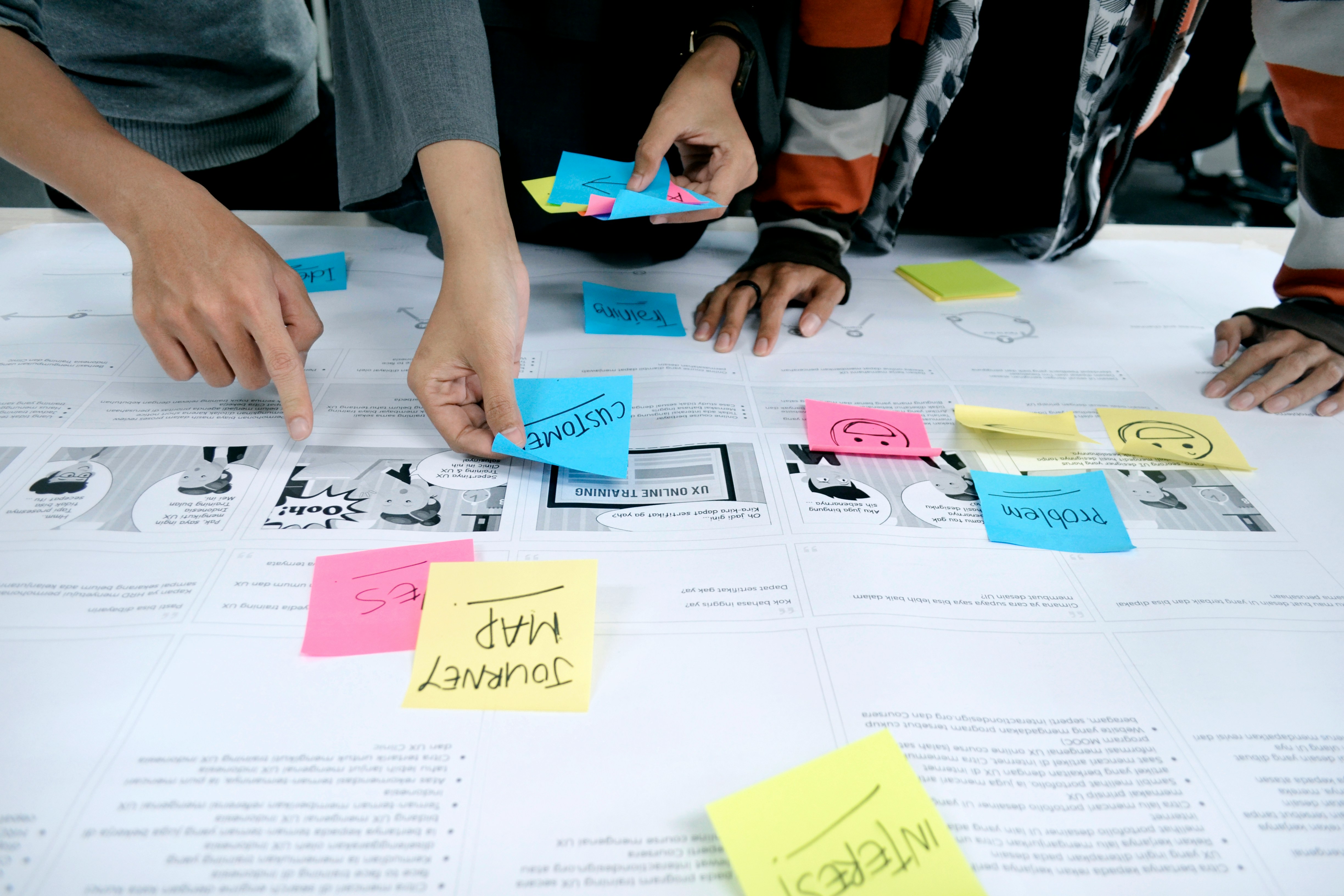
Understanding each stage that supporters experience, from the moment they discover your campaign to when they make a pledge, reveals valuable insights about their...
Jun 02, 2026

Rapid progress can make the difference between a venture moving forward or falling behind. Being able to change course quickly opens up opportunities to enter new...
Jun 15, 2026

Creative teams achieve more when they set specific goals that translate ideas into concrete steps. Many founders face challenges when their objectives lack clarity or...
Jun 10, 2026

Managing scattered notes, meeting summaries, and project outlines across several platforms can slow down a startup’s progress. Bringing all this information together in...
Jun 21, 2026

Clear roles and well-organized processes lay the foundation for a delegation system that evolves as your squad grows. Assigning responsibilities ensures everyone...
Aug 22, 2026

Building a successful SaaS consultancy from a solo practice often relies on resourceful, self-funded decisions. By cutting unnecessary costs, making the most of no-cost...
Aug 02, 2026

Successful product launches depend on more than just appealing visuals. The words you choose for your landing page play a crucial role in drawing visitors in and...
Sep 21, 2026

Boutique fitness studios thrive on unique personalities and strong neighborhood connections, but their communications can become scattered across emails, social media,...
Aug 16, 2026

Creating an online course presents the exciting task of setting prices that encourage students to enroll right away. A well-thought-out approach helps capture attention...
Sep 24, 2026

Forming a reliable team of advisors gives health tech startups a valuable edge. Advisors bring firsthand clinical experience, up-to-date regulatory knowledge, and...
Sep 16, 2026

Building a subscription-based platform on a limited budget calls for resourcefulness and determination. You can create something valuable without spending a fortune by...
Sep 04, 2026